Appellate Advocacy


An appellate outcome is equally important to a trial or lower court outcome. Appeals often have precedent setting significance with impact far beyond a single matter. Success at the appellate level requires different skills than those applied at trial. It is important to understand the appellate bench and the perfection of the record.
Our appellate lawyers’ analytical, writing, and oral advocacy skills are honed for success on appeal. Our lawyers have served as judicial law clerks to trial and appellate court judges, providing insight into the working of the priorities and decision-making of the bench.
In addition to working as a cogent team with our practice groups, our Appellate Practice Group often parachutes into matters handled by separate trial counsel. We are regularly sought in this regard to serve as appellate monitoring counsel during trial. Clients also engage us to write amicus curiae briefs, and to work with other trial counsel to ensure that litigated matters are properly postured for appeal.
If you need legal advice or assistance from international appellate lawyers, our team of professional lawyers at Gerber Ciano Kelly Brady, LLP can help you file an appeal. To schedule a consultation, you may contact us here.






































































Batten Down the Hatches: A Tsunami is Coming for Third-Party Practice in New York
For decades, third-party practice in New York has existed in a state of uneasy equilibrium—tolerated, leveraged, and often times resented by nearly everyone involved.
Trucking Claims Are Getting More Expensive: The First 30 Days Can Make All the Difference
Trucking claims are rising in cost. Learn why the first 30 days after a serious accident can shape liability and outcomes.

New York Lien Law Trust Fund Claims: A Powerful Tool That Is Often Overlooked
NY trust fund claims can be a powerful but overlooked tool in construction disputes. Learn how Article 3-A may help protect payments.

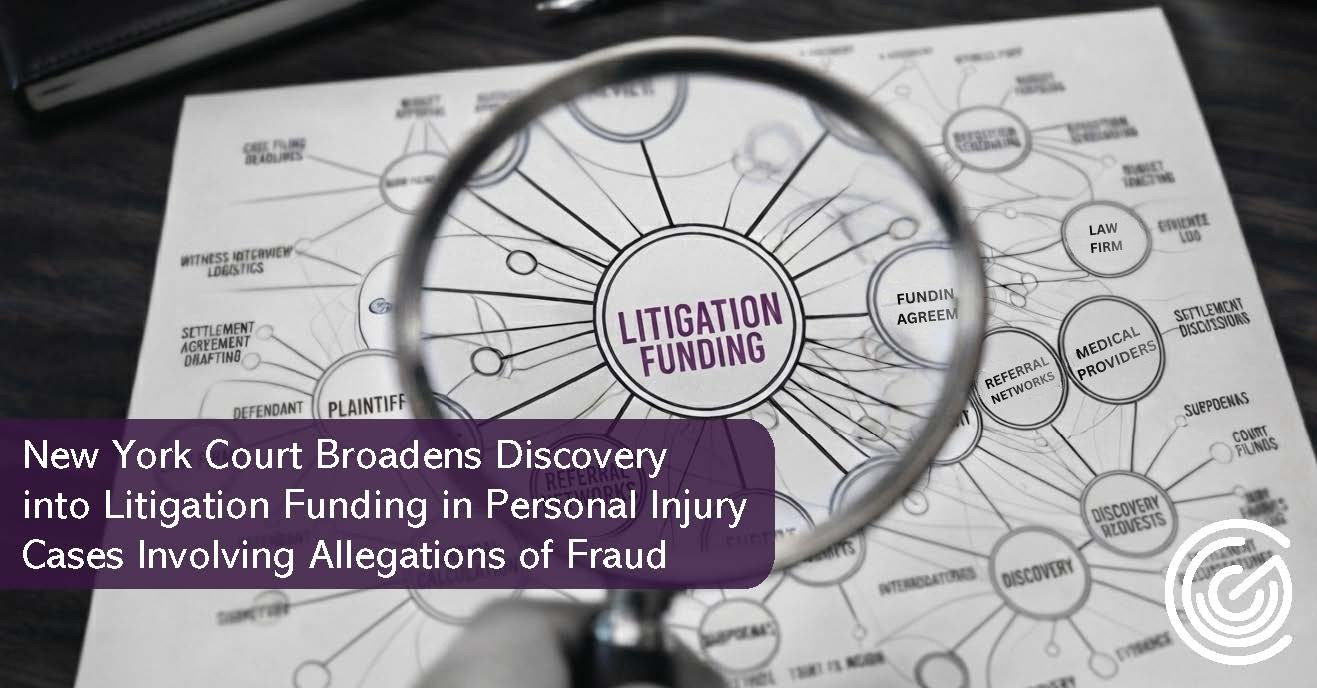
New York Court Broadens Discovery into Litigation Funding in Personal Injury Cases Involving Allegations of Fraud
NY Court Broadens Discovery Into Litigation Funding, Creating New Opportunities for Fraud Defenses in Injury Cases.