Background
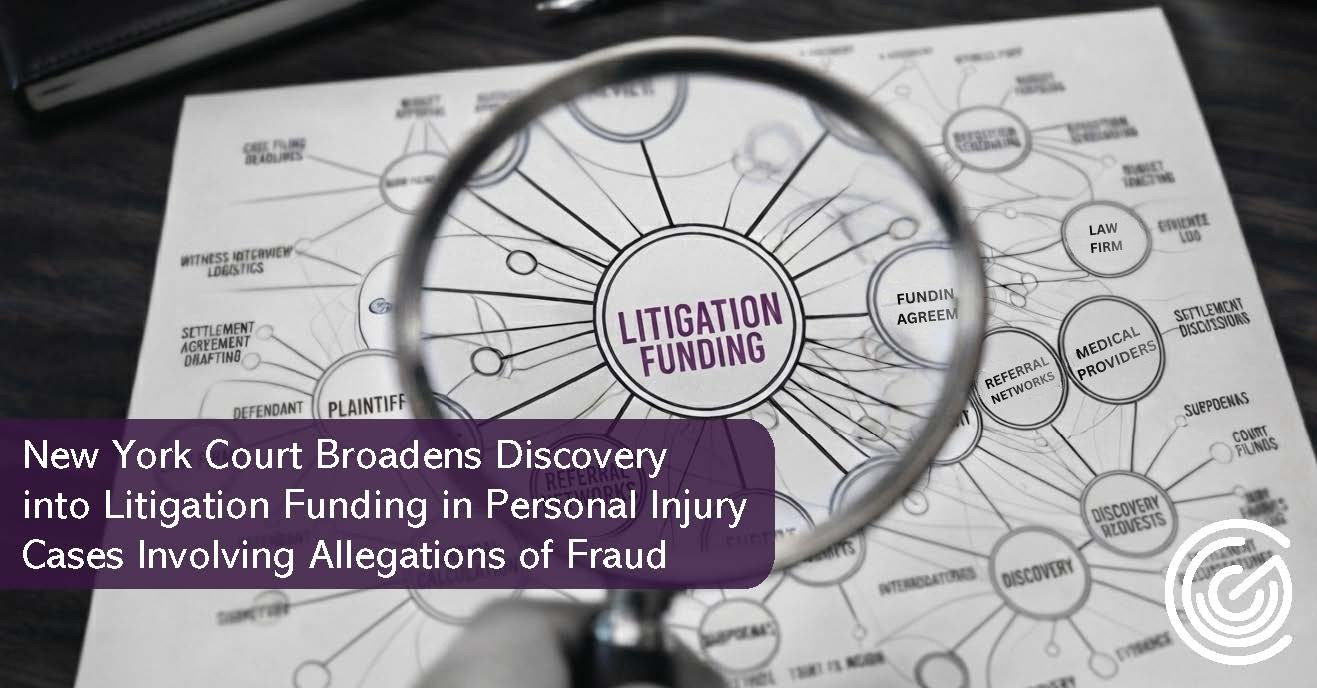
Over the past several years, there has been an increasing number of medical providers, law firms, litigation funding entities, and referral networks that have been named in civil RICO matters with allegations rooted in coordinated schemes designed to inflate personal injury claims and damages.
While the mere existence of RICO allegations against a provider or attorney does not establish wrongdoing in any individual case, defendants have attempted to use those allegations as a basis to seek discovery into relationships among plaintiffs, providers, law firms, and litigation funding entities. These allegations are also relied upon for the fraud-based defenses and affirmative claims pursued in personal injury litigation.
A Shift in Discovery Practice
On August 6, 2026, Justice Brian L. Gottlieb set an important precedent in Kings County Supreme Court for discovery in personal injury cases where there are indicators of fraud linked to the civil RICO matters pending in the state.
In Feth Allah v. Pride Transportation Services & Thimothe Andre (Index No. 511602/2019), Justice Gottlieb ordered the production of litigation funding materials and directed the plaintiff to appear for a continued deposition limited to litigation funding issues after an in-camera review of a third-party funding company’s file relating to the plaintiff.
In reaching its decision, the court relied on several factors, including:
Defendants asserted affirmative defenses of fraud;
Plaintiff’s litigation funding was not disclosed until after the filing of the Note of Issue, despite being asked about during plaintiff’s deposition;
The payoff amount disclosed by the litigation funder exceeded $800,000;
Plaintiff’s attorney and multiple medical providers were named in the federal fraud-related allegations; and
Defendants demonstrated a link between plaintiffs and medical providers suspected of being involved in fraudulent activities.
Taken together, the court found the requested discovery was sufficiently tied to a pleaded fraud defense and was therefore "material and necessary" to defendants asserting their affirmative defense of fraud.
Of importance, this decision was made after an in-camera review of the litigation funding file. Rather than granting blanket access to the litigation funder's entire file at the outset, the court first reviewed the materials individually and made its determination based on the bigger picture. The litigation funding documents tied together with the individual facts of the case lead the court to decide the information as well as a further deposition of plaintiff were appropriate discovery tools in this matter.
Why is this Ruling Significant?
The August 6, 2026, order in Feth Allah reflects a growing willingness by New York courts to scrutinize litigation funding arrangements when defendants can connect those materials to specific fraud allegations. The ruling is particularly important because it does more than compel document disclosure. It authorizes a second deposition based on the relevance of newly produced funding records, creating a procedural framework that defendants in fraud and RICO-adjacent litigation will likely seek to replicate.
The decision also provides additional guidance for when litigation funding documents may be discoverable and when to permit depositions limited to the fraud issues and litigation funding information.
While New York’s First Department has previously found litigation funding materials discoverable where those materials could reveal a financial motive for fabricating the accident, Justice Gotlieb’s decision is part of a significant beginning for similar rulings in the Second Department regarding this issue. See Lituma v. Liberty Coca-Cola Beverages LLC, 243 A.D.3d 504 (1st Dep’t 2025).
As federal and state courts continue to confront allegations involving coordinated litigation schemes, litigation funding documents may increasingly become a focal point of discovery battles, especially where defendants can demonstrate that those records bear directly on a pleaded fraud defense rather than a generalized inquiry into a plaintiff’s finances.
The evolving landscape surrounding litigation funding, fraud defenses, and RICO-related allegations continues to present important strategic considerations for insurers, self-insured entities, and defense counsel. If you have questions regarding this decision or would like to discuss how these developments may affect your claims, litigation strategy, or discovery practices, please contact our team. We would be happy to discuss the potential implications of this ruling and related developments in New York litigation.
Tags: