New York Law
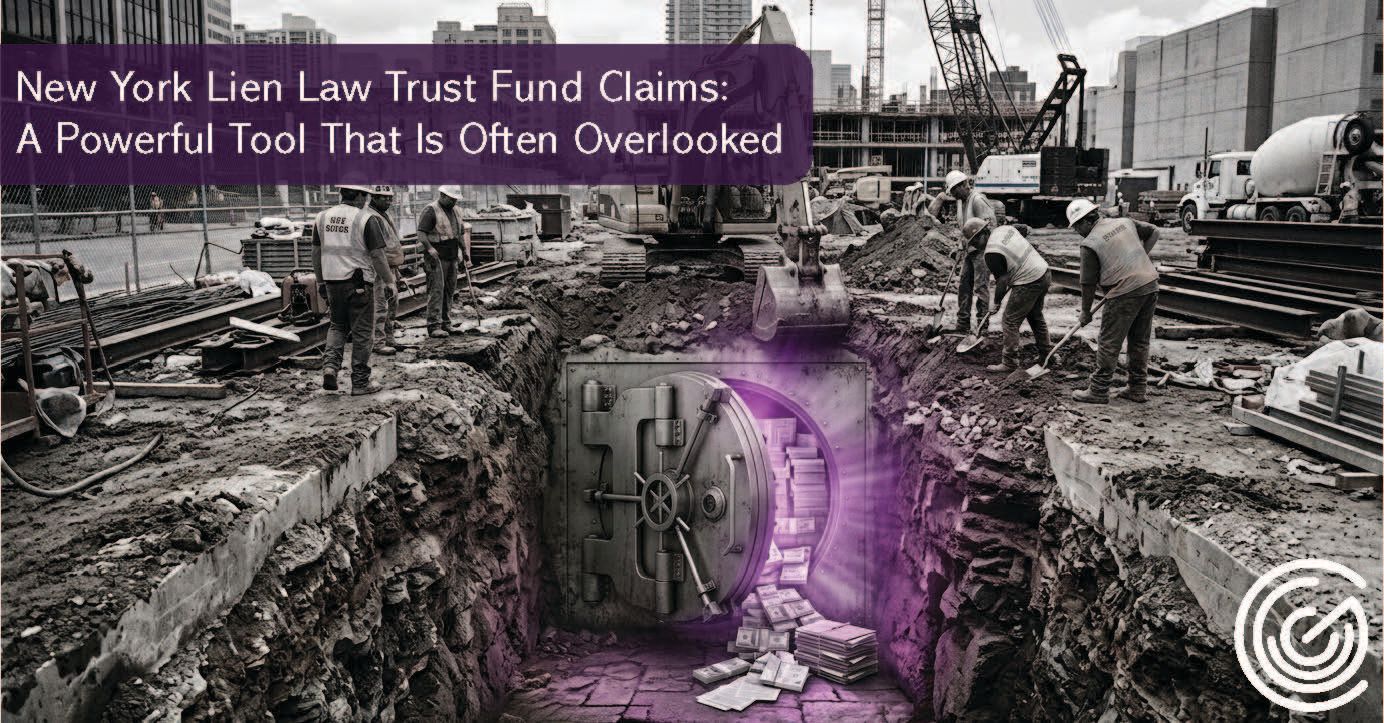
New York Lien Law Trust Fund Claims: A Powerful Tool That Is Often Overlooked
NY trust fund claims can be a powerful but overlooked tool in construction disputes. Learn how Article 3-A may help protect payments.
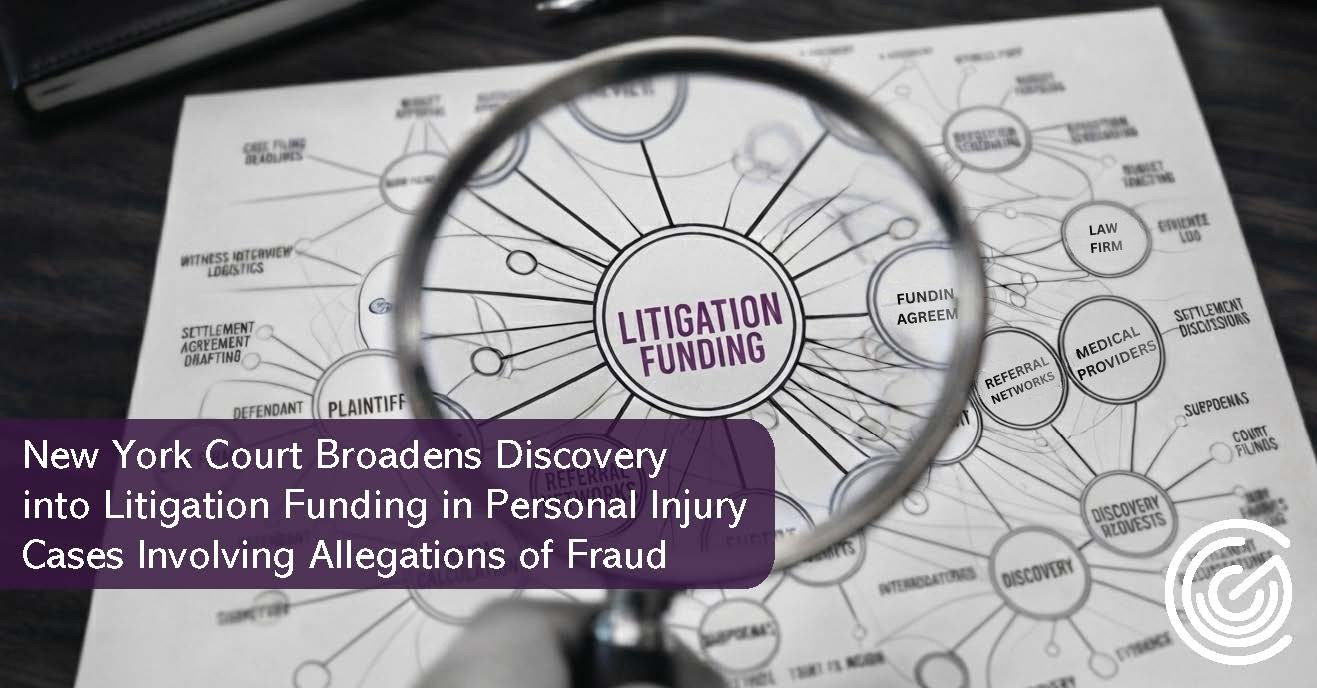
New York Court Broadens Discovery into Litigation Funding in Personal Injury Cases Involving Allegations of Fraud
NY Court Broadens Discovery Into Litigation Funding, Creating New Opportunities for Fraud Defenses in Injury Cases.
Risk Transfer Is Always on the Agenda
Who Pays After an Accident? A New York court ruling reveals how contractual risk transfer can override fault.

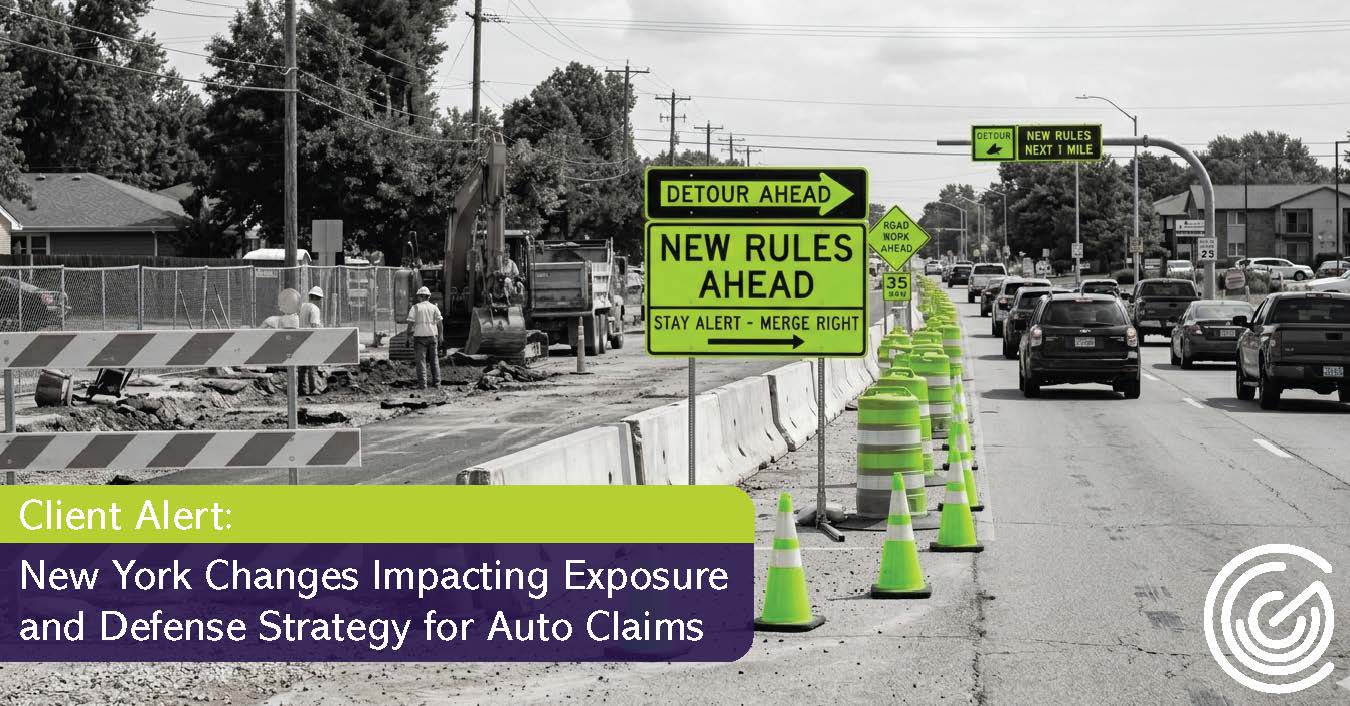
New York Changes Impacting Exposure and Defense Strategy For Auto Claims
Big changes to NY auto claims law—new rules could impact exposure and defense strategy. Read the latest update.
New York Court of Appeals Redefines Insurance Priority in Rental Vehicle Accidents
New ruling reshapes insurance priority in rental car accidents—impacting liability, coverage, and claims strategies across New York.

Appellate Win: How Video Evidence Defeated a Bus Accident Appeal in New York
A New York appellate court upheld summary judgment in a bus accident case after video evidence proved the emergency doctrine defense. Learn how Gerber Ciano Kelly Brady secured the win in Callands v. County of Westchester.
New York Auto Insurance Reform: What Governor Hochul's Proposals Mean for Insurers
New York may be on the verge of its most significant auto insurance reform in decades. GCKB's Joanna Roberto breaks down Governor Hochul's proposed changes — and what they could mean for insurers operating in the New York market.

False Start? Is the Appellate Division Dialing Back the Fight on Fraud
We recently wrote about Tavares v. Tuck-It-Away Assoc., where the Appellate Division, First Department affirmed an order granting the defendant leave to assert affirmative defenses sounding in fraud.
What Not to Do: What You Don't Know Will Kill Your Client's Case
Most New York litigators know that the state has four Appellate Divisions, First, Second, Third, and Fourth, that decide appeals from the Supreme Court’s 13 judicial districts.

Tipping the Balance Towards Plaintiffs: Is the First Department Expanding Defendant's Evidence Preservation Obligations?
A spoliation finding can fundamentally alter the trajectory of a case. An adverse inference charge which invites the jury to assume that missing evidence would have been unfavorable can be outcome-determinative on both liability and damages.