Appellate & Supreme Court Developments
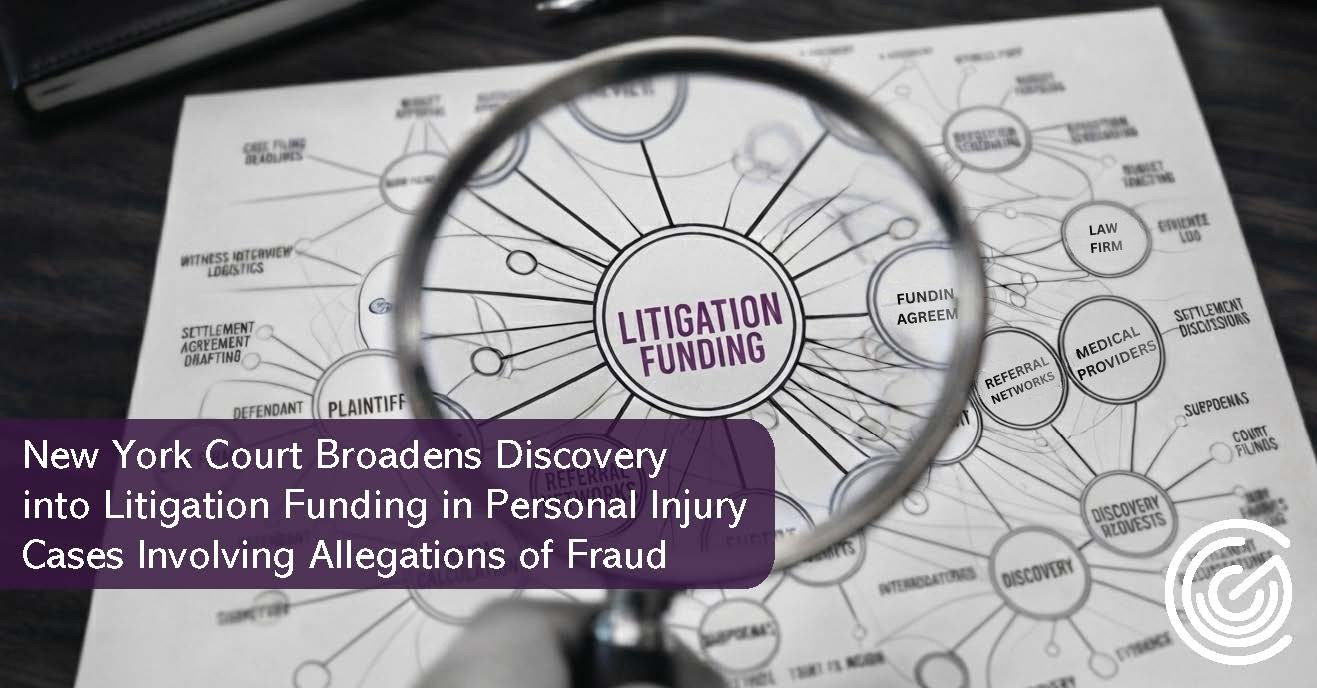
New York Court Broadens Discovery into Litigation Funding in Personal Injury Cases Involving Allegations of Fraud
NY Court Broadens Discovery Into Litigation Funding, Creating New Opportunities for Fraud Defenses in Injury Cases.
Risk Transfer Is Always on the Agenda
Who Pays After an Accident? A New York court ruling reveals how contractual risk transfer can override fault.

Loud and Clear: The Second Department Weighs in on AI Abuse
AI hallucinations led to sanctions in a New York appeal. Learn what the Second Department expects from lawyers.
Monsanto Co. v. Durnell: What the Supreme Court's Latest Decision Means for Failure-To-Warn Claims Against Federally Regulated Product Manufacturers
A landmark Supreme Court ruling may change product liability litigation. Discover how Monsanto Co. v. Durnell impacts failure-to-warn claims and federally regulated products.
Shades of AI: Hallucinations and Misgroundings
Courts are cracking down on AI misuse in litigation. Explore how recent decisions address hallucinations, misgroundings, and the risks of unverified AI use.

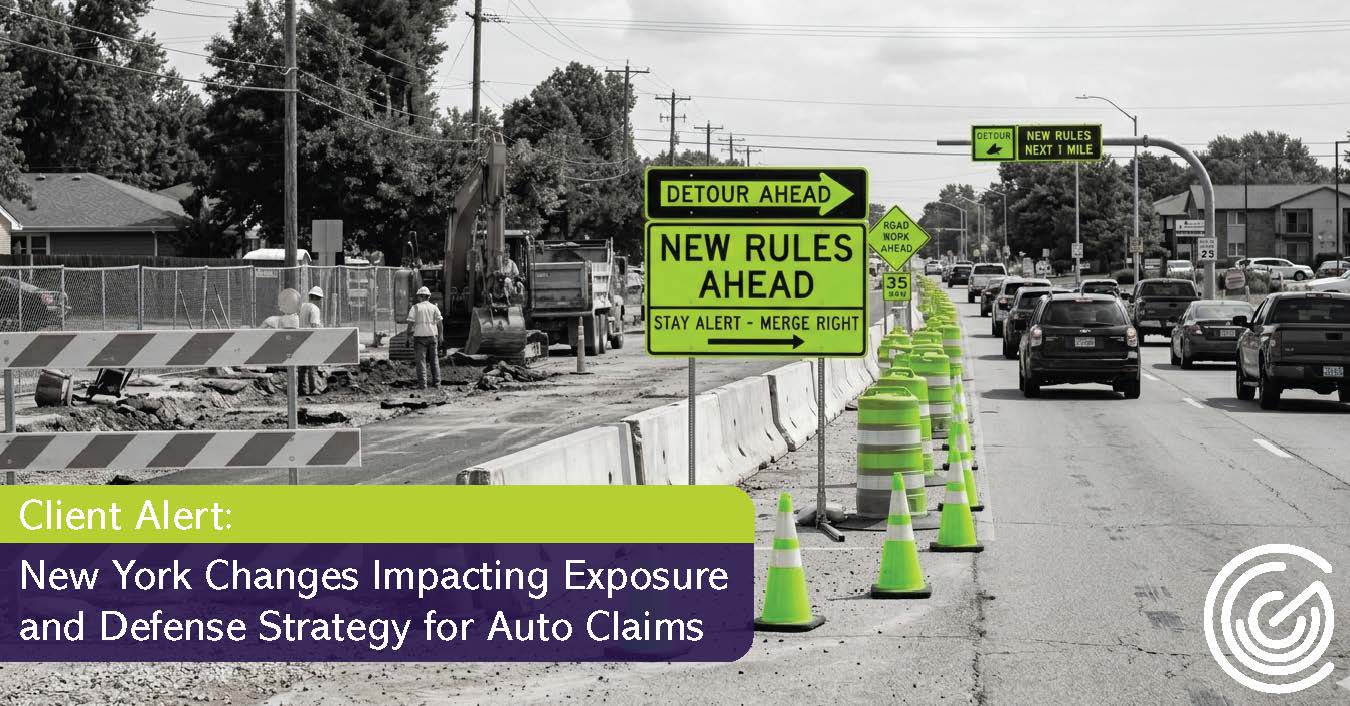
New York Changes Impacting Exposure and Defense Strategy For Auto Claims
Big changes to NY auto claims law—new rules could impact exposure and defense strategy. Read the latest update.
New York Court of Appeals Redefines Insurance Priority in Rental Vehicle Accidents
New ruling reshapes insurance priority in rental car accidents—impacting liability, coverage, and claims strategies across New York.

Court of Appeals Applies Emergency Vehicle Liability Restrictions
New York’s Court of Appeals reinforces the high “reckless disregard” standard for emergency vehicle liability under Vehicle and Traffic Law § 1104, affirming that imperfect judgment or policy violations alone do not establish recklessness.

Supreme Court Rules NJ Transit Is Not the State: What Galette v. New Jersey Transit Means for Litigation
Discover the impact of the Supreme Court ruling in Galette v. New Jersey Transit. Partner Patrick Reilly breaks down how this landmark decision resets sovereign immunity for public entities and provides a new roadmap for litigation nationwide.
Appellate Win: How Video Evidence Defeated a Bus Accident Appeal in New York
A New York appellate court upheld summary judgment in a bus accident case after video evidence proved the emergency doctrine defense. Learn how Gerber Ciano Kelly Brady secured the win in Callands v. County of Westchester.